
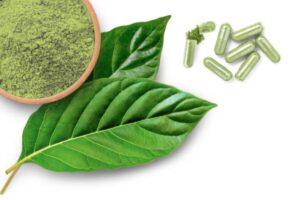
Written Testimony On Restricting Kratom and Banning 7‑OH
Source: CATO Institute Excerpt: Dear Chair Driscoll, Chair Decker, and Members of the Joint Committee: My name is Jeffrey A.
Source: CATO Institute Excerpt: Dear Chair Driscoll, Chair Decker, and Members of the Joint Committee: My name is Jeffrey A.
I agree with Dan Lawton that Louisiana’s kratom ban is a blow to consumers who have come to rely on kratom products. However, his concerns about 7-hydroxymitragynine (7-OH) are misplaced. Despite years of use, there have been only two deaths where 7-OH products were present. In both cases, 7-OH was used alongside other substances, contravening instructions. By contrast, other kratom products have been linked in public health reports to more than 200 deaths.
Florida Attorney General James Uthmeier’s sudden ban on 7- hydroxymitragynine (7-OH) is reckless, unfounded and cruel. The facts don’t support his claims of an “emergency.” According to the FDA’s own adverse event database, there are zero confirmed deaths linked to 7-OH alone. Yet Uthmeier has lumped it in with heroin.
Let’s say you’re presented with two substances. One has been linked to two confirmed deaths (and zero when taken on its own). The other is tied to over 200.
If I told you the one with two deaths is being branded a public health threat, you’d be suspicious. You’d probably assume someone making the substance linked to 200 deaths was trying to sell you something.

To the editor: The Food and Drug Administration’s call to classify 7-hydroxymitragynine (7-OH) as a Schedule I drug is unwarranted (“What to know about synthetic kratom, the supplement being banned in SoCal and across the U.S.,” Aug. 20). 7-OH is a natural extract from the kratom plant and the vast majority of deaths linked to use involved other drugs or contaminants. Regulators have not presented sufficient evidence of harm, yet they propose a ban that would deprive patients of relief.
FOR IMMEDIATE RELEASEAugust 26, 2025Contact: media@hartsupporter.com Industry Division is Prompting Sweeping Schedule I classification – HART calls for UNITY Holistic
When I heard Florida had banned 7-OH (7-hydroxymitragynine), I felt blindsided. I take 7-OH to control the nerve pain from an old car accident. With it, I can work and care for my family. Without it, I’m back to pain that never lets up.
Toledo City Council is rushing to ban kratom. On behalf of people like me, I’m begging them not to. For many people, kratom and its derivatives, like 7-OH, are all that’s keeping us from falling back into the nightmare of addiction and pain.
7-OH drug ban is hasty
A concentrated byproduct of kratom that is sold in smoke shops throughout the state, 7-OH has not led to any confirmed deaths. There is no documented surge in Florida ER visits or poison control reports attributed to 7-OH. Those are the facts. Yet, Florida Attorney General James Uthmeier just invoked an “emergency” schedule to ban it (“‘Highly addictive’ smoke shop product banned in Florida,” Aug. 14). I see this as a manufactured panic.
I spent 10 years hooked on heroin after a severe back injury and years on prescription opioids. I overdosed more than once and failed at quitting more times than I can count. Two years ago I switched to 7-OH. I can now work, care for my family, and manage constant pain without the nausea and anxiety that came with leaf kratom. I have stayed sober.

Shaman Botanicals has issued a formal response to the FDA’s recent warning letter on its 7-Hydroxymitragynine (7-OH) products, backed by reports from leading researchers at Johns Hopkins, Harvard, UCLA, and other institutions. The company argues that current scientific evidence supports the safety of 7-OH, directly countering FDA’s claims. Experts consulted—including those previously cited by FDA—stress that 7-OH should not be considered a public health crisis and that available data shows no evidence of overdose deaths, respiratory depression, or widespread dependence.