
By Terry Blevins
Source: Daily Independent
Excerpt:
In my decades in law enforcement, I learned that some of the worst policies are the ones designed to look serious without solving a serious problem. They eat up time, money, and attention, then leave officers and communities worse off. That is exactly what worries me about House Bill 2415, now under consideration in Arizona.
The bill targets kratom, a plant-derived product some adults use for pain relief and to reduce withdrawal symptoms from opioid addiction. Most dramatically, it would criminalize 7-hydroxymitragynine, or 7-OH, one of kratom’s naturally occurring compounds by turning distributors and consumers into criminals. To enforce this mandate, officers would have to conduct time-consuming product inspections, rely on costly lab testing to determine chemical content, and make difficult judgment calls about whether people in pain should be treated as criminals.
This focus is misplaced.
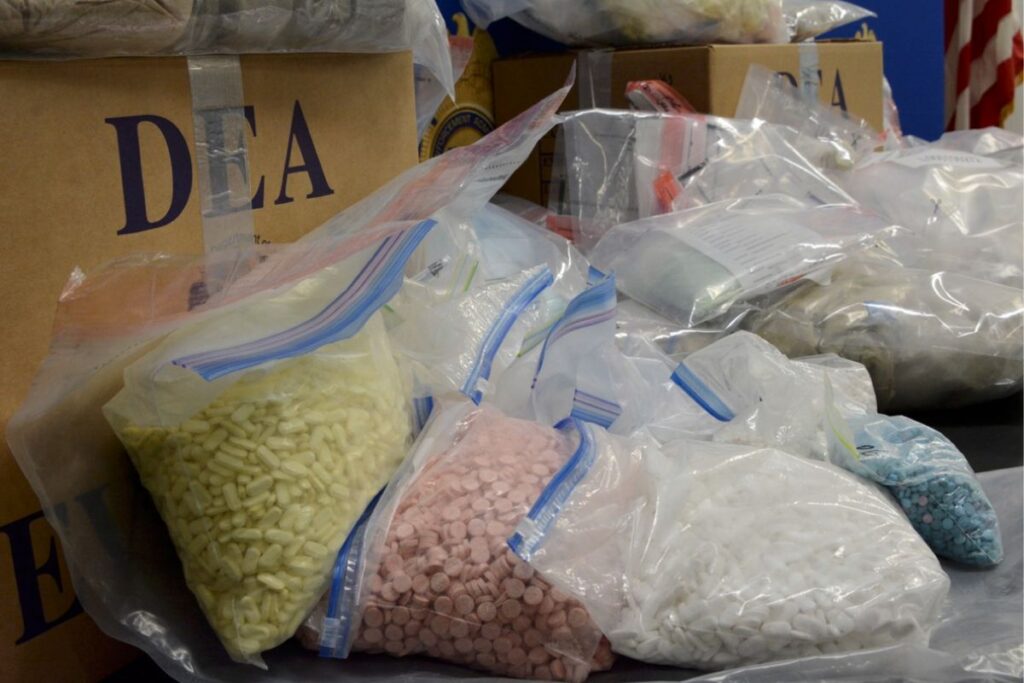
According to the Arizona Department of Health Services, more than five people die every day from opioid overdoses in the state. These deaths are driven largely by fentanyl, including counterfeit pills that are addictive, unpredictable, and often deadly. Arizona has been under a statewide opioid public health emergency since 2017 because that threat has remained so persistent.
Instead of helping officers tackle fentanyl and the trafficking networks behind it, however, HB 2415 would push law enforcement in the wrong direction, toward a substance that is not even driving the opioid crisis.
Enforcing such a wide-ranging attack on 7-OH would mean inspecting products, seizing samples, sending them out for lab analysis, and building cases around technical chemical thresholds that most officers are not trained to interpret. Each test can cost hundreds of dollars or more, even before factoring in training, expert support, and case preparation. Those costs would add up quickly, pulling resources away from fentanyl investigations, overdose response, and violent crime.
All of this effort raises a basic question: why 7-OH? Adverse events involving 7-OH are rare. Even when kratom-related compounds have been identified in fatal overdoses, they have typically appeared alongside other substances, especially fentanyl, as well as heroin, cocaine, or prescription opioids. Every one of those deaths matter. But they are not a sound basis for building an expansive new enforcement regime: and it would do more harm than good.
I know about this firsthand. When I returned from serving in Iraq with a severe cervical injury, I became dependent on opioids.7-OH has helped me avoid going back to them. I know other veterans and law enforcement officers who have made similar choices. HB 2415 would criminalize all of us, for no apparent gain.
Supporters of HB 2415 may say the bill is about public health or precaution. But that rationale does not hold up. Public health is not advanced by turning people in pain into criminals or by diverting law enforcement away from fentanyl, our primary target, toward a substance that poses far less risk. While it is reasonable to discuss regulation of newer products like kratom and 7-OH, this bill goes far beyond measures like age limits or labeling. It creates a costly criminal enforcement burden for police, labs, and courts that is out of proportion to the problem it claims to address.
Good policy helps law enforcement focus on the biggest threats and use limited resources wisely. HB 2415 does the opposite. Arizona lawmakers should vote no. Every hour spent policing 7-OH is an hour not spent fighting fentanyl and the criminal networks that continue to tear Arizona communities apart.
Terry Blevins is a former Arizona law enforcement sergeant and security consultant with decades of experience at the local, federal, and international levels. He served with both the Maricopa County Sheriff’s Department and the Gila County Sheriff’s Office, and later worked with the U.S. Department of Defense and Joint Terrorism Task Force.